Almonds: the complete guide
Quality, storage and market dynamics—with a practical focus for buyers, artisans and anyone who needs clear specs when sourcing almonds.
At a glance
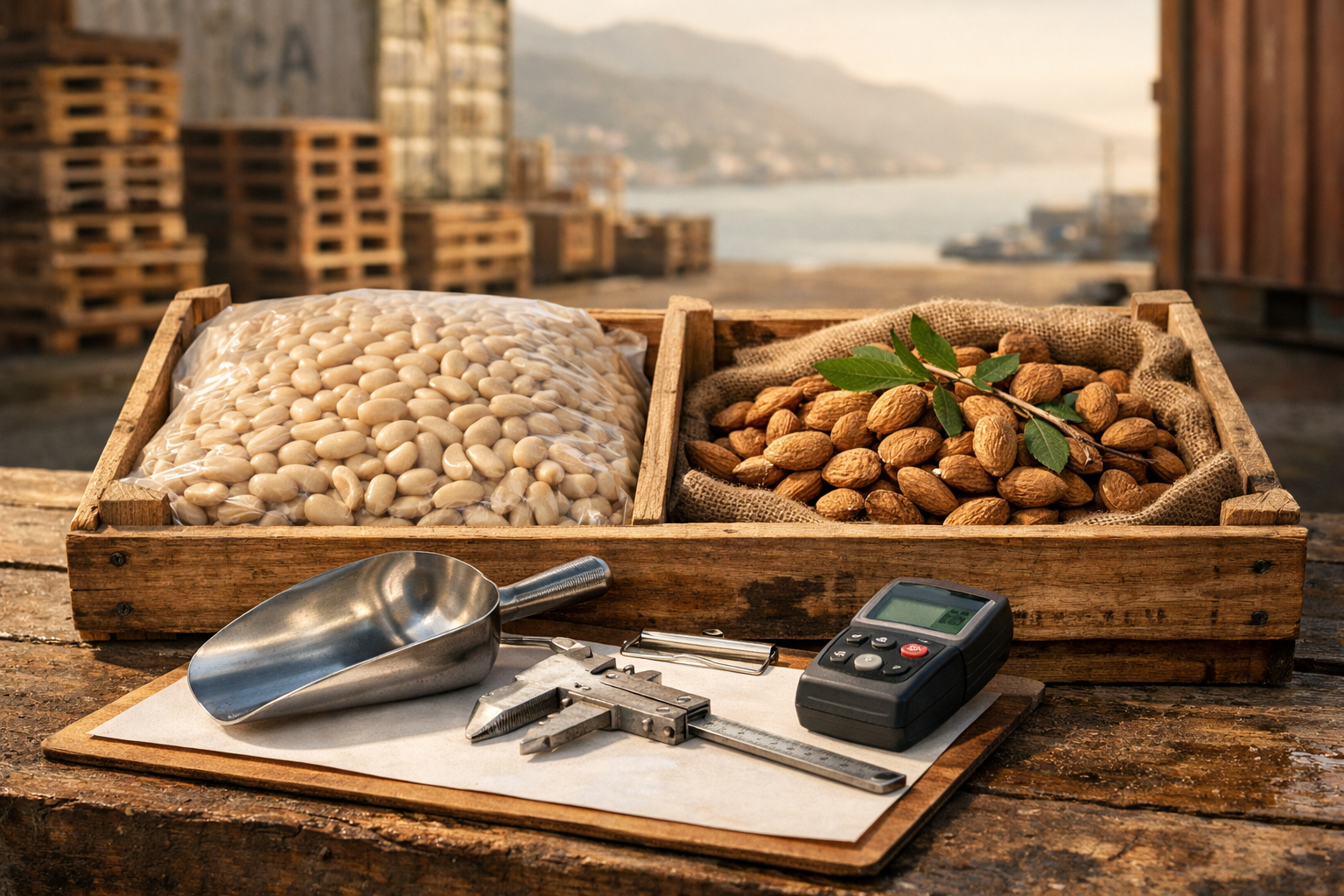
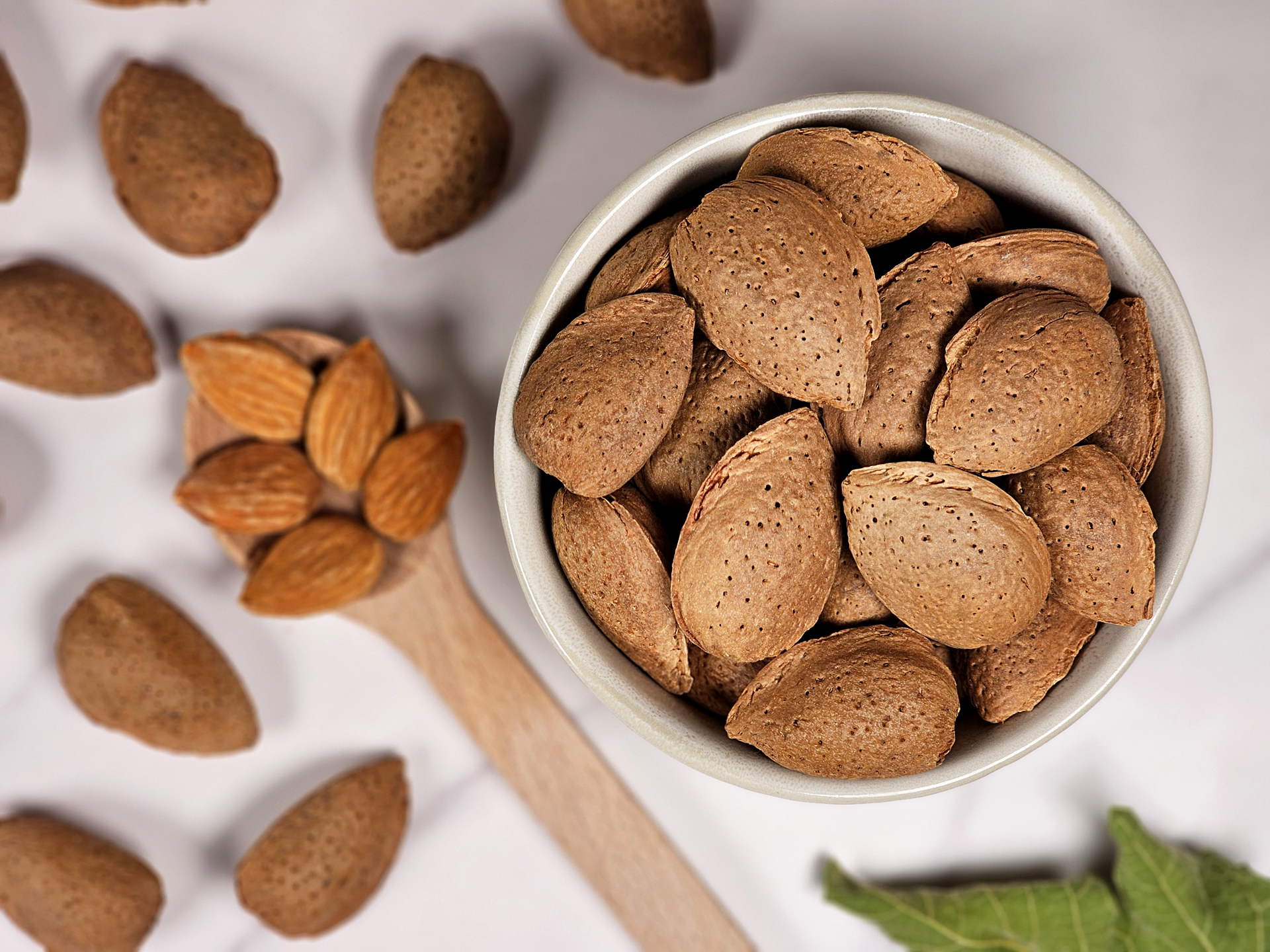
- Formats: currently mainly in-shell; blanched/granulated/paste available on request or on the roadmap depending on volumes and specs.
- Quality: key signals are kernel condition, off-odors, uniformity and stability (mold/rancidity often come from storage).
- Prices: driven by season, availability, sorting and logistics; to compare offers you need clear requirements (use and standards).
Quality & defects: what to check in an almond batch
Almond quality is the result of technical parameters (integrity, cleanliness, uniformity, stability) and sensory ones (smell, taste, absence of ‘stale’ or rancid notes). For a buyer, ‘quality’ mainly means predictability: a consistent batch is easier to process and reduces waste and disputes.
Many issues come from post-harvest handling and storage: poor conditions accelerate fat oxidation and increase mold risks. That’s why it’s useful to read quality as a set of signals—not a generic label.
- Kernel integrity: breaks and defects reduce yield and complicate processing.
- Off-odors: moldy or rancid notes are critical signals (storage/time/temperature).
- Uniformity: size and consistency simplify processing and packaging.
- Cleaning and sorting: foreign bodies and defects increase the real cost.
- Stability: essential for long chains (storage and export).
- Specify the end use: snack, pastry, ingredients, processing.
- Ask for clear requirements: defect tolerances, sorting level, storage notes.
- Always evaluate ‘price + waste + quality risk’.
Storage: how to protect aroma and shelf-life
Storage determines quality over time. Heat, light and humidity accelerate oxidation (rancidity) and can cause defects.
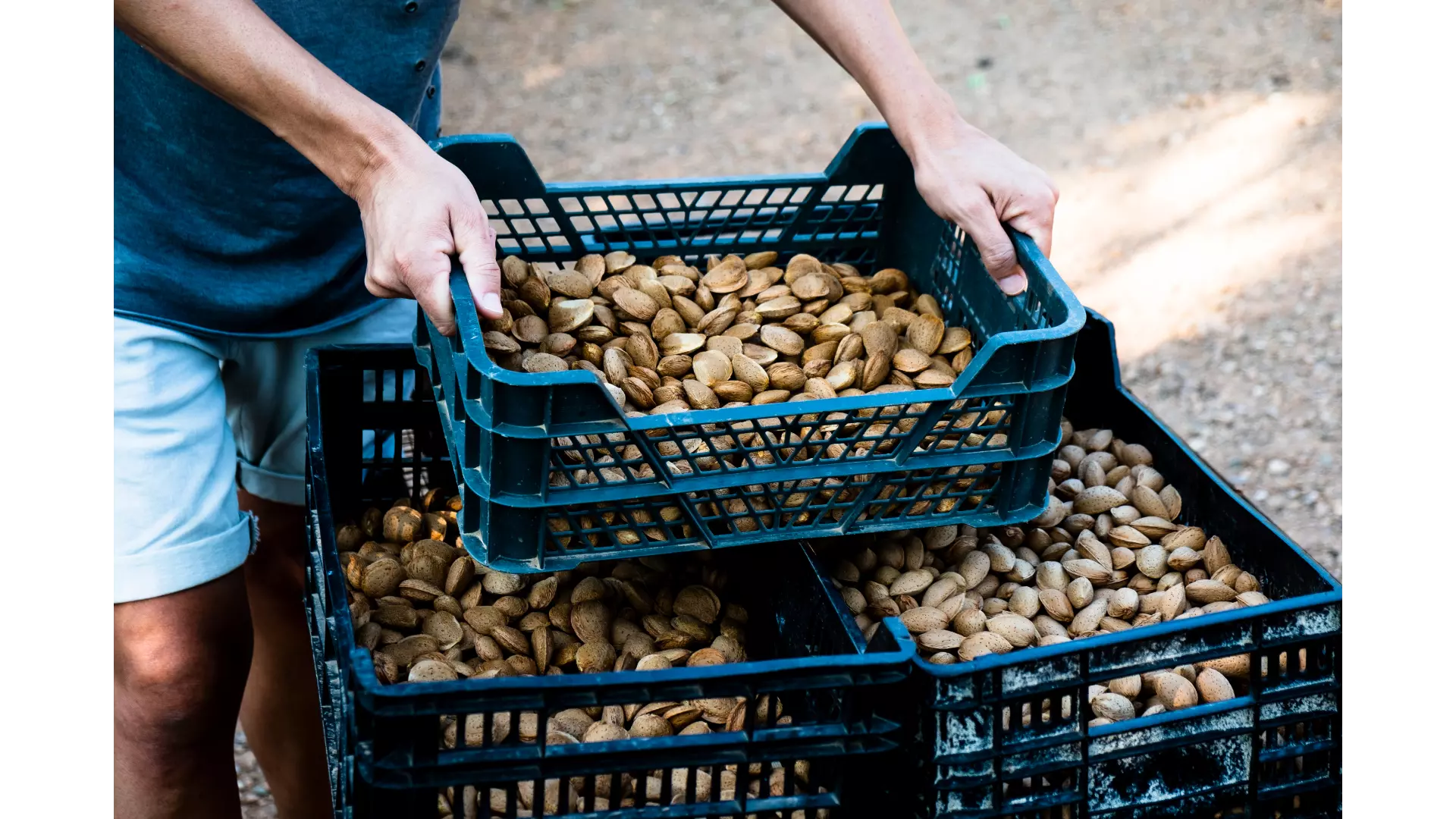
With in-shell supply, good handling focuses on stability and protection: cool, dry, ventilated environments and logistics that match destination. If you buy to process or resell, real shelf-life depends on both the product and how it moves through storage and transport.
- Environment: cool, dry, ventilated; avoid thermal swings.
- Protection: avoid direct light and strong-smell environments (absorption).
- Time: the longer it’s stored, the more critical temperature/humidity become.
- Checks: periodic inspections (smell, appearance, anomalies).
- Logistics: pallets, protection and ventilation appropriate for the route.
- For EU/export: plan timing and conditions, not only price.
- Ask how post-harvest was handled (cleaning/conditioning).
- If you process: sensory stability first.
Market & prices: how to read the main variables
Almond prices vary with season, availability, average quality, demand and logistics.
The key is separating nominal price from real cost: sorting, waste and stability can affect results as much as €/kg. A clear quote request reduces misunderstandings: when you communicate use, volumes and destination, you get more comparable offers.
- Season and yield: influence available quantity and average quality.
- Sorting/conditioning: increases cost but often reduces waste.
- Availability by batch: batches and seasonal windows matter.
- Logistics: destination and delivery terms influence total cost.
- End use: snack vs ingredients vs processing changes requirements.
- Always include: quantity, destination, format and end use.
- Define sorting requirements and defect tolerances.
- Compare offers only when specs are consistent.
Production & harvest: seasonality and B2B planning
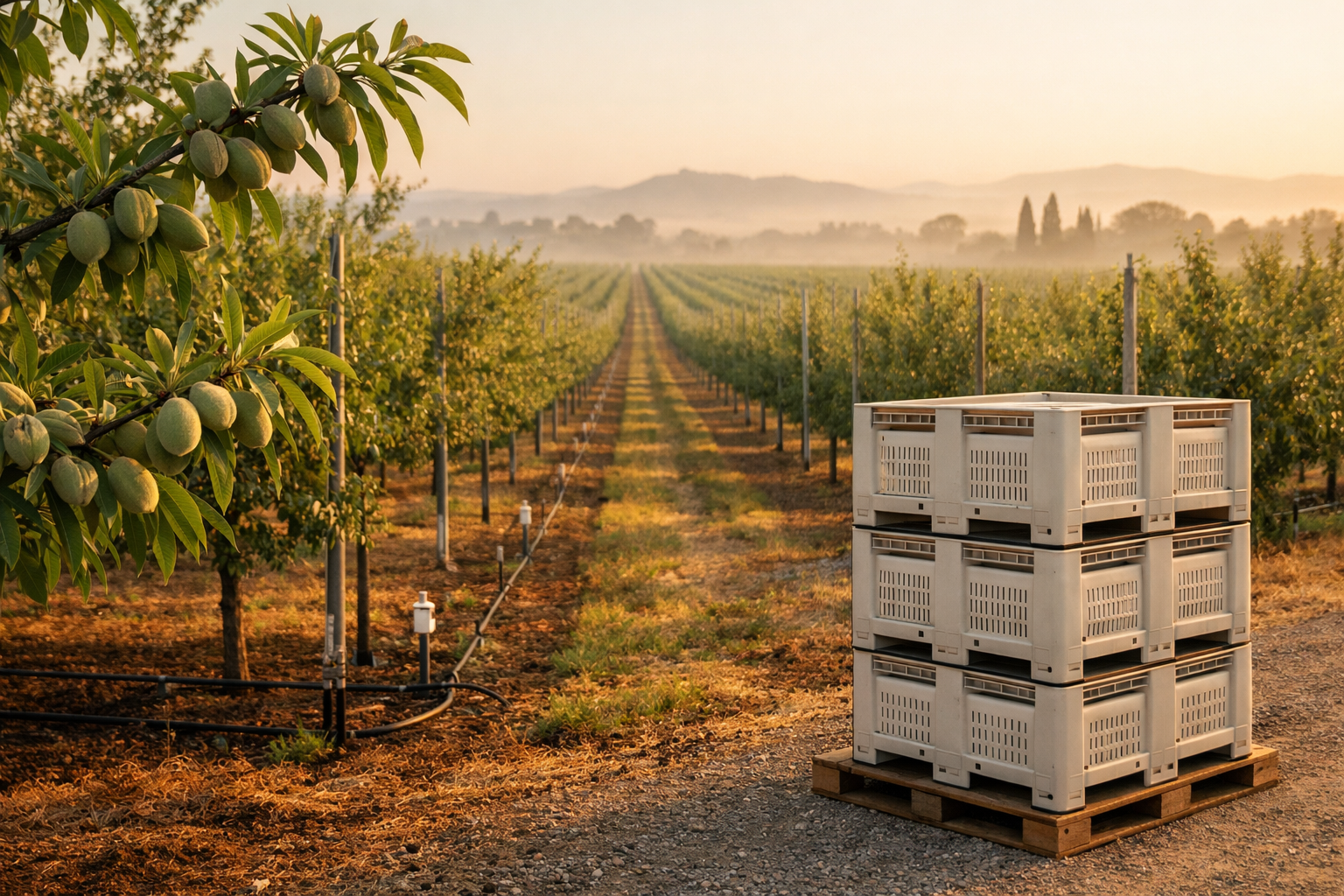
To plan purchases and processing, it helps to understand seasonality and variability. Almonds follow harvest cycles and subsequent processing; climate and management influence uniformity and stability.
For B2B chains, planning ahead helps align batches and specs—especially for volumes or stricter requirements.
- Seasonality: availability tied to harvest and subsequent processing.
- Variability: climate and season influence size and average quality.
- Post-harvest: cleaning/conditioning and storage management.
- Traceability: helps control quality and reduce issues.
- Scheduling: for recurring volumes, plan in advance.
- Early RFQs = better offers and more consistent batches.
- If you have requirements, define standards and indicative MOQs.
- Prefer batch-based supplies with traceability.
Health & consumption: practical notes (no promises)
Almonds are often associated with an interesting nutritional profile. This section is informational: it helps you consume them consciously and avoid common mistakes (portions, sugary/salty products, home storage). It doesn’t replace medical advice.
- Portions: reasonable amounts and consistency.
- Choices: avoid excess added sugars and salt.
- Home storage: protect from heat and light to limit rancidity.
- Allergies: a serious topic; consider individual sensitivity.
- Sensory quality: off-odors or rancid notes = avoid.
- For food destinations, sensory quality is part of the value.
- Shelf-life and stability affect returns and reputation.