
The world of hazelnuts and almonds is a fascinating one, full of complexities and challenges that reflect the broader agricultural landscape. As we dive into the current state of these beloved nuts, it’s important to recognize the interplay of climate, market dynamics, and agricultural practices that shape their production and pricing.
In recent years, hazelnut prices have soared, reaching record levels. However, this increase in price does not necessarily translate to better outcomes for all producers. The reality is that the yield from hazelnut orchards has been inconsistent, with some regions experiencing excellent harvests while others struggle significantly. For instance, in areas like Alta Langa, producers have seen impressive yields, while neighboring regions face stark challenges, producing as little as three quintals per hectare. This disparity highlights the unpredictable nature of agricultural production, heavily influenced by climatic conditions.
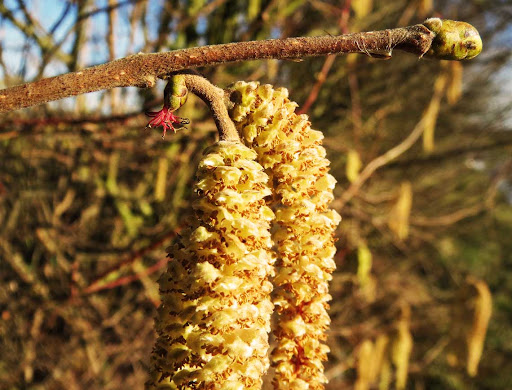
Climate change plays a pivotal role in the success of hazelnut crops, accounting for about 70% of the factors that determine yield. Recent years have brought about challenges such as droughts and unseasonable weather patterns that have weakened trees and affected pollination. The traditional understanding of pollination has shifted; conditions that once favored the spread of pollen have changed, leading to concerns about the health of the plants and the viability of future harvests.
On the almond side, the situation is somewhat similar. The cultivation of almonds, particularly the Mandorla Tuono variety, has also been impacted by climatic fluctuations. The need for innovative agricultural practices is becoming more urgent as producers seek to adapt to these changes. Techniques such as using reflective materials in orchards and improving water retention through better soil management are gaining traction. These practices not only help in coping with high temperatures but also support sustainable farming in the long run.

The market for nuts, especially hazelnuts and almonds, has shown resilience despite these challenges. In 2025, the demand for nuts reached new heights, with purchases exceeding significant monetary thresholds. This growth reflects a broader trend in consumer preferences, where nuts are increasingly recognized for their health benefits and culinary versatility. They are essential ingredients in various traditional and modern recipes, from pastries to savory dishes, making them staples in many households.
However, the rising prices present a double-edged sword. While higher prices can benefit those who have managed to produce a good yield, they can also lead to a decrease in demand as consumers and businesses face increased costs. For example, a bakery that relies on hazelnuts must navigate the challenges of rising ingredient prices, which can impact their overall pricing strategy and customer base.
As we look to the future, it’s crucial for producers to embrace innovation and sustainability. The integration of technology in agriculture, such as climate monitoring systems and artificial pollination methods, is becoming increasingly important. These advancements not only help in mitigating the effects of adverse weather but also enhance productivity and quality.
Moreover, collaboration within the agricultural community can lead to shared solutions and improved practices. By working together, producers can develop strategies that address common challenges, from pest management to water conservation. This collective approach can strengthen the entire sector, ensuring that hazelnuts and almonds continue to thrive in a changing world.
In conclusion, the landscape for hazelnuts and almonds is one of both opportunity and challenge. As climate conditions evolve and market dynamics shift, it’s essential for producers to remain adaptable and innovative. By focusing on sustainable practices and leveraging technology, the future of these beloved nuts can be bright, ensuring they remain a staple in our diets and culinary traditions.