
Storing in-shell hazelnuts is a quality decision, not a minor logistical detail. For a B2B buyer or a small craft processor, it means deciding how long a batch will retain sensory stability and safety. It is not just about “where the bags go”, but about how you manage the environment, airflow, and indirect contamination. Technical guidance on post-harvest handling of nuts is consistent: humidity and temperature directly influence mold growth and fat oxidation. Poor hazelnut storage increases the risk of alterations that, once triggered, are difficult to reverse.
Humidity and air: the balance that makes the difference
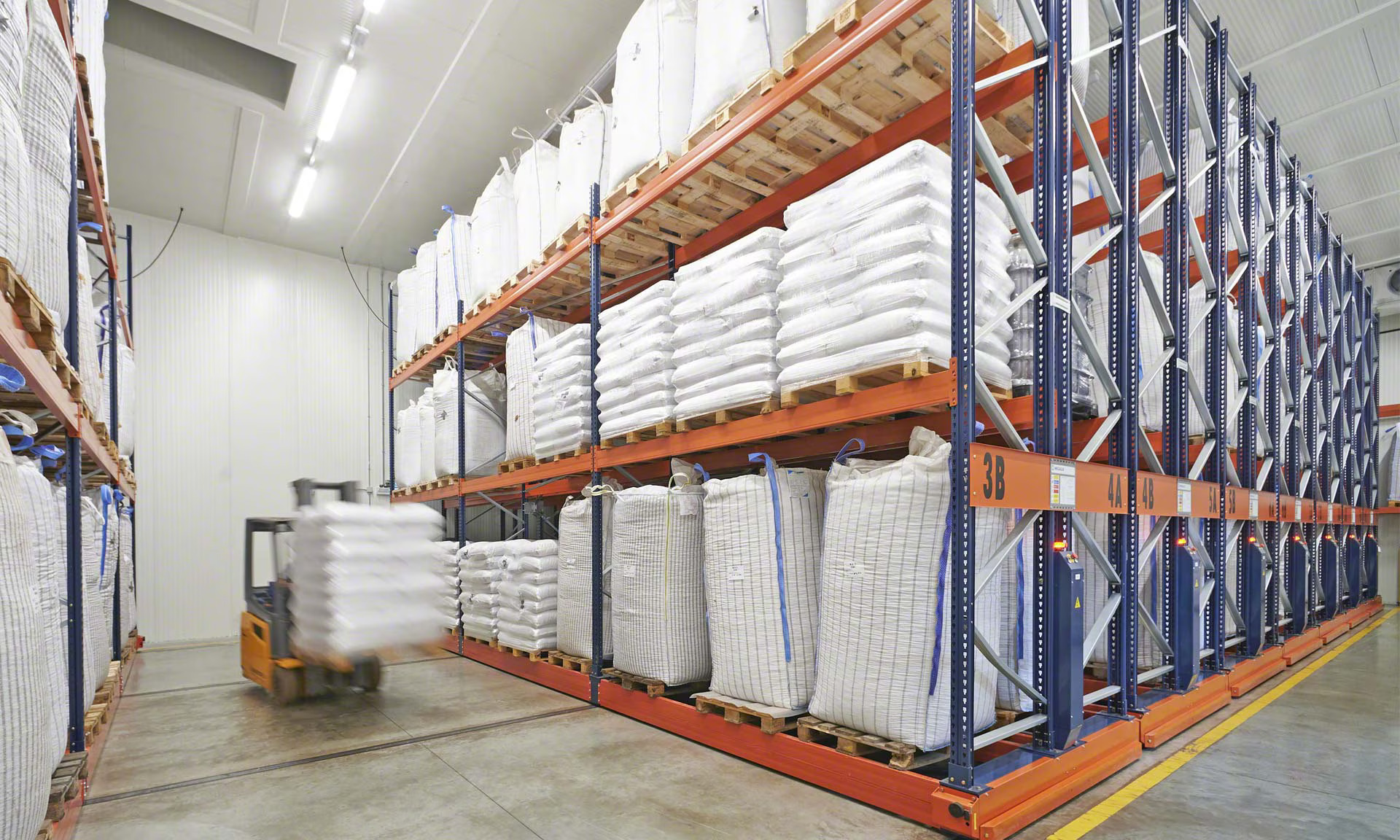
Humidity is the first factor to control. Technical documents on tree nuts highlight that humid environmental conditions favor mold growth and the possible formation of mycotoxins. Even without lab data, the operational recommendation is clear: dry, well-ventilated spaces are the baseline for storing in-shell hazelnuts. Ventilation is not only about “letting the product breathe”; it also prevents stagnant zones where moisture can concentrate. Bags placed directly on cold surfaces or against humid walls can create critical micro-environments. Good post-harvest practices suggest keeping separation from the floor and promoting air circulation. This becomes even more relevant if the batch will later be cracked. A hazelnut that has absorbed moisture over time can have a less stable kernel, more sensitive to roasting defects, and more exposed to hazelnut mold phenomena once the protective shell is removed.
Absorbed odors: an underestimated risk
Hazelnuts, like other fat-rich foods, can absorb odors from the surrounding environment. Technical guides on storing dry goods emphasize the importance of separating foods from substances with strong smells. The smell of hazelnuts should be neutral or slightly sweet. If the warehouse also stores detergents, fuels, or other highly aromatic goods, the risk of odor contamination is real. Once absorbed, these odors are difficult to remove and can become more evident during cracking or when processing into chopped kernels. For those working with peeling/blanching or grinding, the issue is even more delicate. Fragmentation increases exposed surface area and makes any odor contamination more perceptible. A seemingly harmless storage choice today can turn into a clear sensory defect tomorrow.
Light and oxidative stability
Technical sources on nut storage also draw attention to light exposure. Light, together with heat, can accelerate lipid oxidation processes. Rancid hazelnuts are not only a taste problem, but a sign of overall quality loss. Avoiding prolonged exposure to direct light and keeping stable environmental conditions helps preserve the aromatic profile. For a buyer purchasing in-shell hazelnuts with the goal of processing them in the medium term, this stability is a competitive advantage.
Early warning signals
Without being alarmist, there are signals worth monitoring. A change in hazelnut odor, with stale or damp notes, can indicate the start of oxidation or humidity issues. Shells showing unusual dark spots or powdery traces may suggest mold presence or infestations. European authorities dealing with mycotoxins remind us that prevention depends on correct conditions for drying and storage. Acting when mold is visible often means you are already late. The kernel texture, once the shell is opened, also gives clues. Excessively soft texture or off-odors are signs not to overlook—especially if the batch will be processed into chopped kernels, where any defect spreads uniformly in the finished product.
Operational rules for the buyer
For buyers, storing in-shell hazelnuts is not only the supplier’s responsibility, but a purchase evaluation criterion. Some checks are simple yet decisive:
- ask how ventilation and separation from the floor are managed;
- inquire about other strong-smelling goods stored in the same space;
- understand whether there is internal monitoring of environmental conditions. Technical guides for tree nuts insist on preventive controls and suitable environments. A supplier able to clearly describe their hazelnut storage practices demonstrates real attention to batch quality. Storage is a continuous process. It does not start and end in the producer’s warehouse: it continues in the buyer’s depot and directly impacts processing yield. For a broader overview, see the Complete Hazelnut Guide. If you need a practical method to evaluate quality at intake, also read How to evaluate a batch of in-shell hazelnuts: sensory checks, defects, and the right questions.