
Evaluating a batch of in-shell hazelnuts is not a mere formality. For a B2B buyer or a small processor, it means deciding how stable your process will be in the weeks ahead. A consistent, sound, clean batch is more predictable during cracking, more reliable during roasting, and more straightforward in downstream steps, from blanching to chopped kernels. A mistake at intake, on the other hand, tends to amplify.
Technical literature on nuts stresses a simple point: many relevant defects can be intercepted with visual checks, smell, and—when appropriate—tasting. International guidance on risk management for tree nuts highlights the importance of preventing contamination, mold, and infestations already during post-harvest and storage, because once they are established within a batch they are difficult to correct in processing.
Start with sampling, not with first impressions
To assess a batch of in-shell hazelnuts, the first step is to draw a representative sample. Good post-harvest practices recommend avoiding judgments based on small superficial portions: heterogeneity can hide localized problems.
Once you open a number of nuts, start with a visual check. The shell should be intact, with no holes or marks that could suggest insect infestation. Perforations are a typical sign of insect activity in nuts and, according to defect-level handbooks, one of the most immediate indicators of a quality nonconformity.
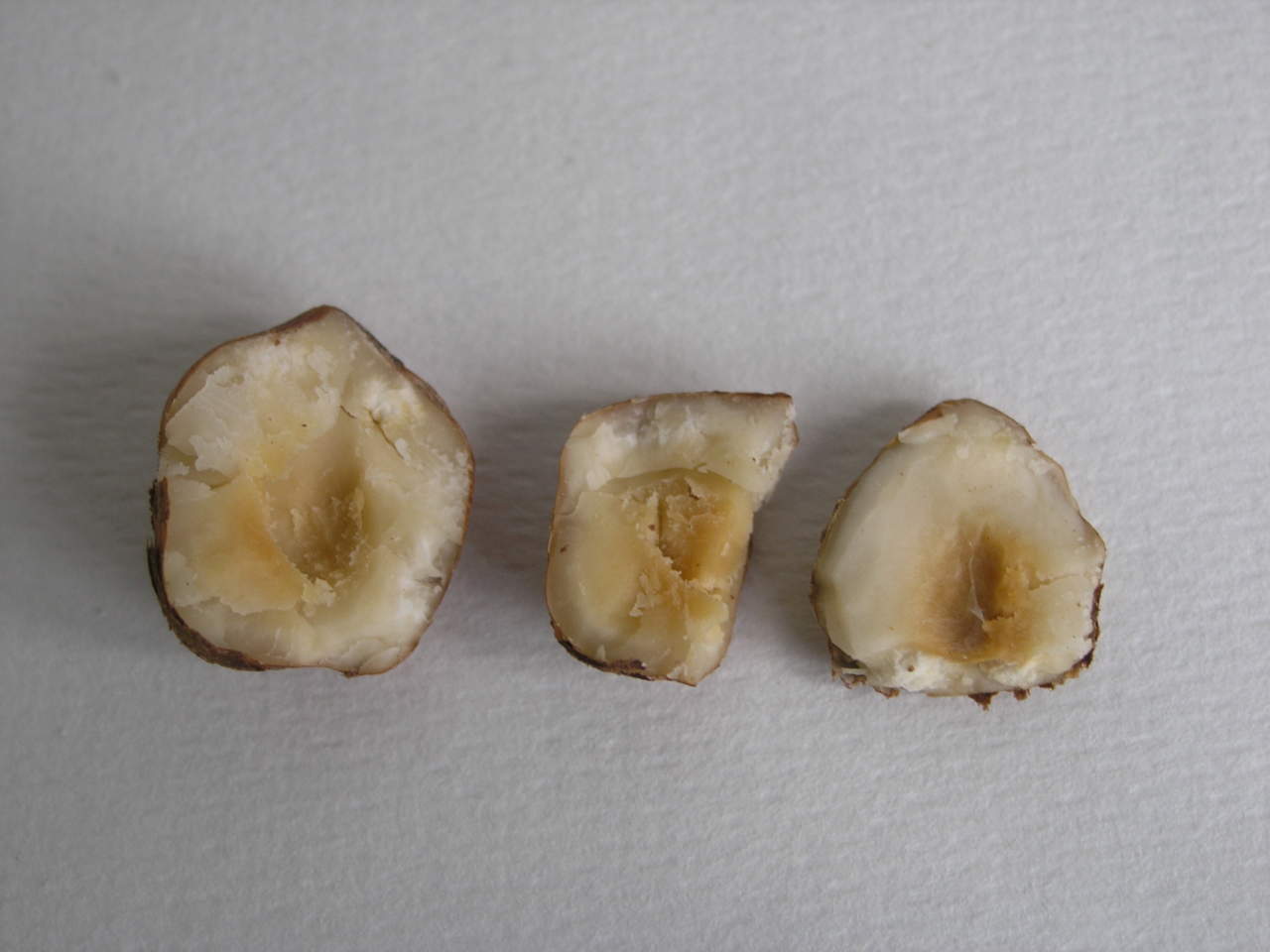
Inside, the kernel should look full and firm, with an even color. Dark spots, powdery areas, or a cottony appearance can be associated with mold. European authorities dealing with mycotoxins remind us that mold development is linked to moisture and suboptimal post-harvest handling. Even without lab analysis, visual inspection is a crucial first filter.
Smell tells the truth
Smell is an often underestimated indicator. Technical guides for risks in nuts note that oxidative changes in fats lead to unpleasant odors, typical of rancid hazelnuts. A stale, cardboard-like, or otherwise non-fresh smell is already a sign of advanced oxidation.
Smelling the sample immediately after cracking helps you catch abnormal notes before they dissipate. In the presence of mold, the odor may feel humid, earthy, sometimes pungent. Even when there are no obvious visual signs, an abnormal smell is sufficient reason to investigate further.
Tasting the hazelnuts—when the batch is intended for food processing— completes the evaluation. Flavor should be sweet and clean, without persistent bitterness or metallic aftertastes. Oxidative defects and some fungal contaminations can show up as unpleasant taste sensations that typically become more evident after roasting.
Typical defects: what to look for without overthinking
When we talk about hazelnut defects, technical documents often group them into three areas: infestation, mold, and rancidity.
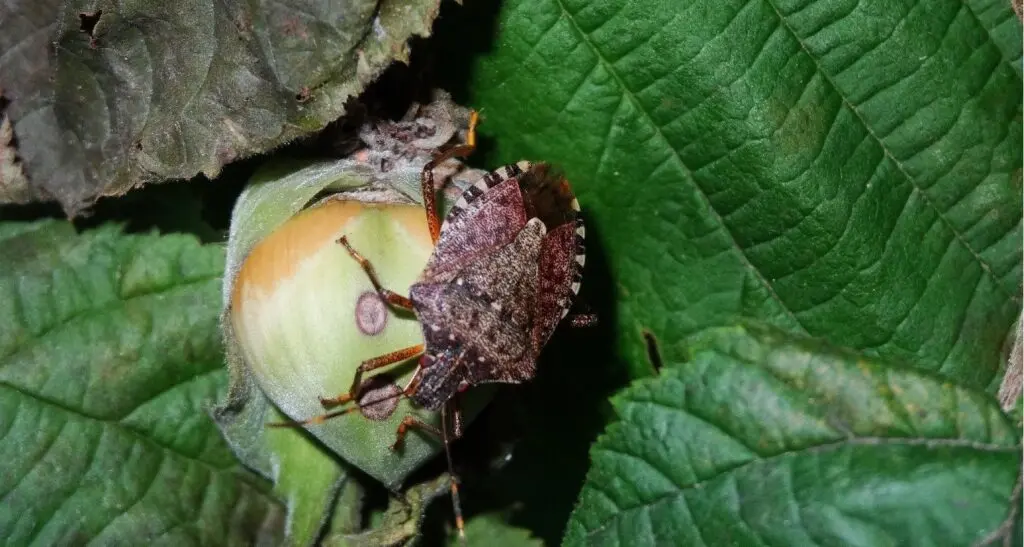
Insect infestation in nuts can show up as holes in the shell, powdery residues, and sometimes partially eaten or hollow kernels. Defect-level handbooks consider these objective indicators of poor batch quality.
Mold can appear as a whitish film or dark spots on the kernel. Tree nut safety guidance emphasizes that visible mold requires caution, because some fungal species can produce mycotoxins.
Rancid hazelnuts, finally, do not always show clear visual defects. Lipid oxidation is a chemical process that is mainly expressed through odor and taste. This is why sensory assessment remains a key tool for anyone who must make quick decisions at purchase.
The right questions before you confirm
Beyond sensory checks, evaluating a batch of in-shell hazelnuts means asking targeted questions. Without going deep into supply-chain mechanics, some information is decisive for a buyer:
- conditions after harvest, especially moisture management and ventilation;
- cleaning and sorting practices before shipment;
- any internal checks for mold or infestation.
Post-harvest guidance repeatedly notes that quality is preserved with well-managed, dry environments. A supplier who can clearly describe their operating practices offers an initial signal of reliability.
This approach is even more important if the batch is intended for further processing. A defect that seems marginal today can become critical during cracking or roasting, when kernel exposure makes odors and taste alterations much more apparent.
Evaluating with method—without haste and without relying on a general impression—is an investment in the stability of your production.
For a broader context, you can read Dried nuts for heart health: benefits and proper consumption. To understand the market backdrop in which sourcing decisions are made, see For hazelnuts high prices and inconsistent harvest: “The climate affects 70%”.